
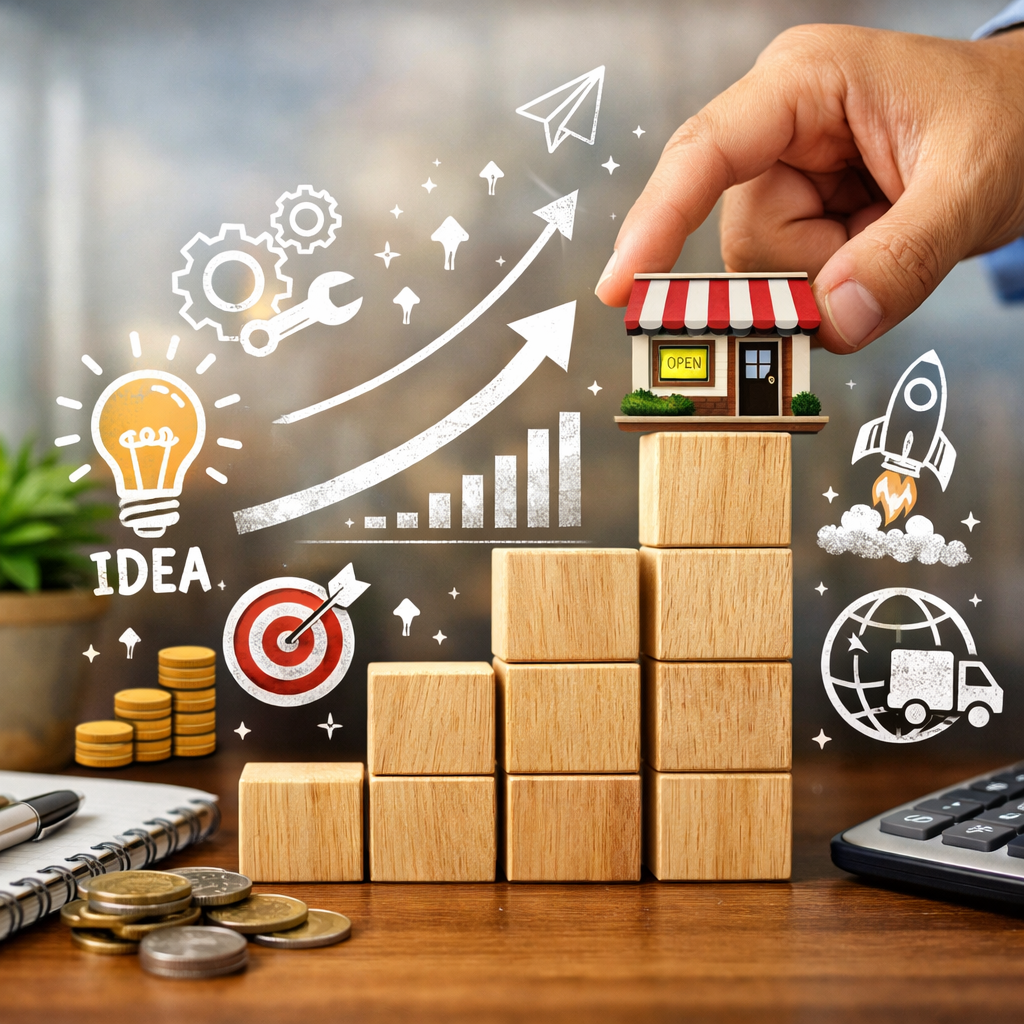
As the landscape of SME business growth evolves in 2026, entrepreneurs need innovative strategies to stand out and thrive. Discover the latest growth hacks that can propel your small business forward today.
Key Challenges Facing SME Business Growth in 2026
Small and medium-sized enterprises (SMEs) are increasingly pivotal to global economies, but multiple factors challenge their growth in 2026. The rapid pace of technological change, evolving customer expectations, and global economic uncertainties all influence SME success. One of the primary challenges is access to funding; despite improvements, SMEs still struggle to secure affordable capital due to stricter lending criteria and fluctuating market conditions.
Additionally, competition is fiercer than ever. Larger corporations leverage advanced AI and automation, making it tough for SMEs to keep pace. Regulatory complexities and supply chain disruptions also impede growth, especially in industries like manufacturing and retail.
Addressing these challenges requires SMEs to be agile, adopt innovative strategies, and leverage the latest tools for sustained growth in 2026.
Effective Digital Marketing Tactics for Small Businesses
Leverage AI-Driven Personalisation
In 2026, AI technology has revolutionised digital marketing. SMEs can utilise AI tools to personalise customer experiences at scale. For example, AI-powered chatbots handle customer inquiries 24/7, providing tailored recommendations based on browsing history and preferences. This improves engagement and conversions.
Content Marketing with Immersive Technologies
Augmented reality (AR) and virtual reality (VR) are transforming content marketing. Small businesses can offer immersive experiences, such as virtual store tours or product demos, to attract and retain customers. For instance, a furniture SME could allow customers to visualise how a sofa fits into their living room through AR, boosting confidence and sales.
Maximise Social Media and Influencer Collaborations
Social media remains a crucial channel in 2026, but with smarter algorithms and new platforms emerging, SMEs must be strategic. Partnering with micro-influencers can yield high ROI, especially for niche markets. Consistent engagement, user-generated content, and targeted ads continue to drive brand awareness and growth.
Building a Strong Customer Base in 2026
Customer loyalty is more valuable than ever. SMEs should focus on creating memorable experiences and delivering exceptional value. Some effective tactics include:
- Building community: Establish online communities or local events that foster a sense of belonging.
- Subscription services: Offer subscription-based products or services to ensure recurring revenue and deepen customer relationships.
- Customer feedback loops: Use instant feedback tools to quickly adapt and improve offerings based on customer input.
For example, a small organic skincare brand might run a loyalty program that rewards repeat customers with access to exclusive products and educational content, strengthening long-term loyalty.
Utilising Data Analytics to Drive Growth
Data analytics has become indispensable for SME growth in 2026. SMEs that harness real-time data can make smarter decisions, optimise operations, and target marketing efforts more effectively.
Tools like predictive analytics and AI-driven dashboards allow businesses to identify emerging trends, customer preferences, and potential issues before they escalate. For instance, analysing purchasing patterns can enable a niche fashion retailer to anticipate seasonal demand changes and stock accordingly.
Furthermore, customer journey analytics help SMEs understand how clients interact with their brand across multiple touchpoints, informing personalised marketing and sales strategies.
Sustainable Growth Strategies for SMEs
Sustainable growth is vital. In 2026, consumers are increasingly eco-conscious. SMEs integrating sustainability into their business models can build brand trust and open new markets.
Strategies include:
- Green supply chains: Partnering with environmentally responsible suppliers.
- Energy efficiency: Investing in renewable energy sources or energy-saving infrastructure.
- Eco-friendly products and packaging: Offering products with reduced environmental impact appeals to eco-conscious customers.
For example, an SME in the food industry could reduce waste by implementing compostable packaging and collaborating with local farmers to support sustainable agriculture, which resonates with modern consumers and promotes loyalty.
Adapting to Evolving Market Trends in 2026
The business landscape constantly shifts, and SMEs must stay ahead of market trends to succeed. Key trends in 2026 include:
- Decentralised commerce: The rise of blockchain and NFTs enables new avenues for customer engagement and product authenticity verification.
- Hybrid work models: Hybrid and remote workforces improve flexibility and access to a global talent pool, reducing operational costs.
- Health-conscious and sustainability-driven products: Demand is surging for health-focused and eco-friendly offerings, requiring SMEs to pivot their product development accordingly.
To adapt, SMEs should remain agile, invest in employee training on emerging technologies, and continuously monitor consumer preferences to pivot swiftly as needed.
Conclusion
In 2026, SME business growth depends on how well small businesses adapt to technological advancements, shifting market dynamics, and consumer expectations. By leveraging innovative digital marketing tactics, building strong customer relationships, utilising data analytics, and adopting sustainable practices, SMEs can achieve remarkable growth. Staying proactive and embracing change will be the keys to thriving in the competitive landscape of 2026.