
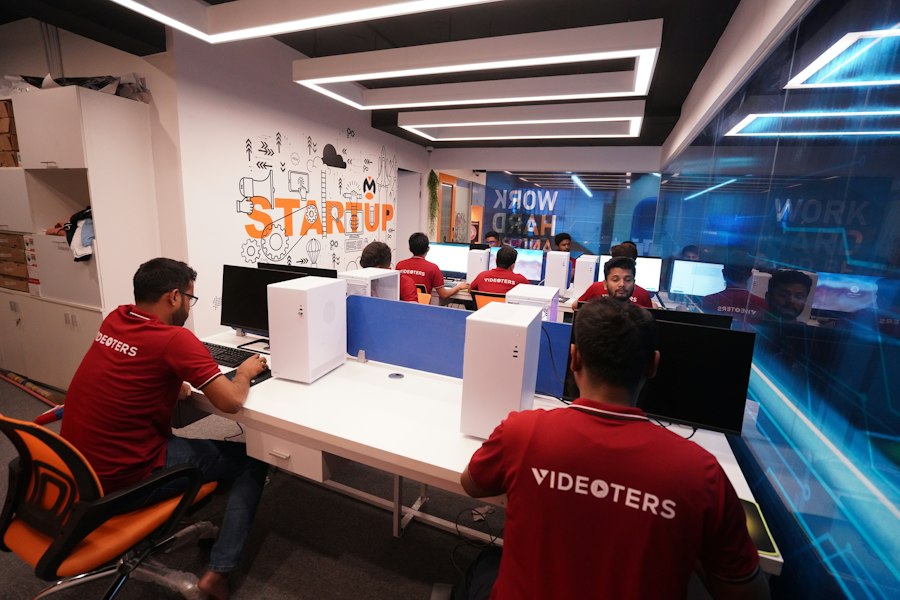
Enterprise incubation is essentially a structured support system designed to help early-stage businesses, often startups, navigate the treacherous waters of commercialization and growth. Think of it as a nurturing environment where fledgling companies receive critical resources, mentorship, and a network of contacts to transform innovative ideas into viable, scalable enterprises. It’s about more than just office space; it’s a comprehensive program aimed at significantly increasing a startup’s chances of success by addressing common pitfalls and accelerating development. This proactive approach to business development benefits not only the individual startups but also fosters economic growth and innovation within specific regions or industries.
What Enterprise Incubation Actually Provides
At its core, enterprise incubation offers a multifaceted support structure. It’s not a one-size-fits-all solution, but rather a customizable suite of services tailored to the specific needs of participating ventures. These services go far beyond simply providing a desk and Wi-Fi, delving deep into the practicalities of launching and scaling a business.
Access to Specialized Infrastructure
Many startups begin with limited capital, making the acquisition of necessary infrastructure a significant hurdle. Incubators often bridge this gap by providing shared resources that would otherwise be prohibitively expensive for individual companies. This can range from physical space to high-tech equipment.
Co-working and Office Space
This is perhaps the most visible aspect of an incubator. Startups gain access to affordable, professional office space, which can be anything from a single desk in a co-working environment to a small, private office. This eliminates the upfront costs of renting, furnishing, and maintaining commercial premises, allowing founders to allocate their precious capital to core business activities. Beyond cost savings, co-working spaces naturally foster collaboration and spontaneous idea exchange among residents.
Specialized Equipment and Labs
For technology-intensive or research-focused startups, access to specialized equipment can be a game-changer. Incubators, particularly those linked to universities or research institutions, often provide access to labs, testing facilities, and advanced machinery that would be out of reach for a bootstrapped startup. This might include 3D printers, biotechnology labs, or high-performance computing resources, significantly accelerating product development and validation cycles.
Mentorship and Expert Guidance
One of the most invaluable aspects of incubation is the direct access to experienced mentors and industry experts. These individuals have often walked the same path, faced similar challenges, and can offer invaluable insights and strategic advice.
Experienced Business Mentors
Mentors provide strategic guidance, helping founders refine their business models, develop robust growth strategies, and navigate common entrepreneurial pitfalls. This isn’t just about sharing war stories; it’s about active coaching, challenging assumptions, and helping founders see blind spots. These mentors often have extensive backgrounds in various industries, bringing diverse perspectives to the table.
Industry-Specific Experts
Beyond general business acumen, incubators often connect startups with experts in specific fields relevant to their industry. This could involve legal professionals specializing in intellectual property, marketing gurus with experience in niche markets, financial advisors for fundraising strategies, or technical experts for product development challenges. This targeted expertise ensures that startups receive accurate and relevant advice when they need it most.
Networking Opportunities
Building a strong network is crucial for any business, and incubators act as a powerful catalyst for forging these connections. They create a built-in community and facilitate introductions to key stakeholders.
Peer-to-Peer Learning and Collaboration
Being part of an incubator means being surrounded by other entrepreneurs facing similar challenges and triumphs. This creates a vibrant environment for peer-to-peer learning, where founders can share experiences, offer advice, and even collaborate on projects. This sense of community can significantly reduce the isolation often felt by early-stage founders.
Access to Investors and Funding
Incubators often have established relationships with angel investors, venture capitalists, and other funding sources. They frequently organize pitch events, demo days, and investor forums, providing startups with direct opportunities to present their ideas and secure crucial seed funding or follow-on investment. The incubator’s endorsement can also lend credibility to a startup in the eyes of potential investors.
Industry Connections and Partnerships
Beyond funding, incubators facilitate introductions to potential customers, suppliers, strategic partners, and even large corporations looking for innovative solutions. These connections can be vital for market validation, pilot programs, and securing early revenue streams, accelerating a startup’s path to commercial success.
Why Enterprise Incubation Matters

The benefits of enterprise incubation extend far beyond the individual companies it supports. It plays a significant role in fostering innovation, stimulating economic growth, and creating a more robust entrepreneurial ecosystem.
Increased Success Rates for Startups
The statistics often speak for themselves. Startups that go through incubator programs generally have a significantly higher survival rate compared to those that attempt to go it alone. This is directly attributable to the comprehensive support, reduced initial costs, and access to expertise that incubators provide. They help de-risk the early stages of business development.
Mitigating Common Startup Risks
Many startups fail due to a lack of market validation, insufficient funding, poor business models, or an inability to scale. Incubators directly address these risks by providing structured guidance on market research, financial planning, business model canvas development, and scalable growth strategies. The continuous feedback loop from mentors helps startups pivot when necessary, rather than stubbornly pursuing a flawed path.
Accelerating Time to Market
With access to shared resources, specialized equipment, and expert advice, startups can develop and launch their products or services much faster than they would independently. This speed to market can be a crucial competitive advantage, allowing them to capture early market share and establish brand recognition.
Economic Development and Job Creation
Incubators are powerful engines for local and regional economic development. By nurturing new businesses, they contribute directly to job creation and diversification of the economic base.
Fostering Innovation and Entrepreneurship
Incubators are breeding grounds for innovation. They provide a safe space for founders to experiment, iterate, and develop groundbreaking ideas. By supporting a diverse range of startups, they contribute to a culture of entrepreneurship and risk-taking, which is essential for a dynamic economy.
Attracting Investment and Talent
Successful incubators often put a region on the map as a hub for innovation. This can attract further investment from venture capitalists and draw in skilled talent looking for exciting opportunities in the startup ecosystem. This creates a virtuous cycle of growth and development.
Diversifying Local Economies
Reliance on a single industry can make an economy vulnerable. Incubators help diversify the economic landscape by fostering new industries and supporting businesses in emerging sectors. This resilience is vital for long-term economic stability.
Building a Stronger Ecosystem
Incubators are not isolated entities; they are integral components of a broader entrepreneurial ecosystem. They connect various stakeholders and strengthen the overall support network for businesses.
Connecting Academia, Industry, and Government
Many incubators have strong ties to universities, research institutions, industry leaders, and government agencies. This allows for the transfer of knowledge and technology from research labs to commercial applications, and facilitates partnerships that benefit all parties. Governments often see incubators as a key tool for achieving economic development goals.
Creating a Culture of Support
By bringing together entrepreneurs, mentors, investors, and service providers, incubators foster a collaborative and supportive culture. This shared sense of purpose and mutual assistance makes it easier for new businesses to find the help and resources they need to thrive.
Different Flavors of Incubation

While the core principles remain, enterprise incubation takes various forms, each with its own focus and strengths. Understanding these distinctions can help entrepreneurs choose the right fit for their venture.
General Business Incubators
These are the most common type, supporting a broad range of startups across different industries. They focus on fundamental business principles that apply universally, such as business model development, financial planning, and marketing strategies.
Broad Industry Focus
General incubators typically don’t specialize in a particular sector. They might host tech startups alongside food businesses, or social enterprises next to manufacturing ventures. Their strength lies in providing foundational business support relevant to any early-stage company.
Core Business Skill Development
The curriculum and mentorship in general incubators often revolve around developing core business competencies: legal structures, intellectual property, sales strategies, human resources, and operational efficiency. They aim to equip founders with a comprehensive toolkit for managing a growing business.
Sector-Specific Incubators
These incubators narrow their focus to a particular industry or technological domain. This specialization allows them to offer highly tailored resources and expertise.
Deep Industry Knowledge and Networks
A fintech incubator, for example, would have mentors with deep experience in financial services, connections to banks and regulatory bodies, and access to specialized software or data. This targeted support is invaluable for startups operating in complex or highly regulated industries.
Specialized Resources and Facilities
An agri-tech incubator might provide access to experimental farms, greenhouses, or specific agricultural machinery. A biotech incubator would offer state-of-the-art lab facilities and specialized scientific expertise. These resources are often crucial for product development and testing in niche sectors.
University-Affiliated Incubators
Often linked to academic institutions, these incubators leverage university research, faculty expertise, and student talent. They play a crucial role in commercializing academic discoveries.
Technology Transfer and Commercialization
University incubators are often instrumental in taking promising research from the lab bench to the marketplace. They help academics and students translate scientific breakthroughs into viable business propositions, bridging the gap between discovery and commercial application.
Access to Academic Expertise and Talent
Startups in these incubators can tap into the intellectual capital of the university, consulting with professors, leveraging research data, and recruiting talented students for internships or full-time positions. This provides a rich pool of knowledge and human resources.
Corporate Incubators
Established corporations sometimes launch their own incubators to foster internal innovation, explore new markets, or collaborate with external startups that align with their strategic goals.
Strategic Alignment with Parent Company
Corporate incubators typically focus on areas that are strategically important to the parent company. They might seek to develop new products or services that complement existing offerings, or explore disruptive technologies that could impact their industry.
Access to Corporate Resources and Market Access
Startups in corporate incubators can benefit from the vast resources of the parent company, including market access, distribution channels, customer bases, and even internal R&D capabilities. This can provide a significant advantage in scaling and reaching a broader market. However, it’s important for startups to understand the potential for conflict of interest or limited independence.
Making the Most of an Incubation Program
Joining an incubator isn’t a guaranteed path to success; it’s an opportunity that requires active participation and strategic engagement from the entrepreneur. To truly unlock the potential, founders need to be proactive.
Be Open to Feedback and Pivoting
The core value of mentorship lies in honest, constructive feedback. Entrepreneurs need to be receptive to criticism and willing to iterate on their ideas, business models, and even their product. Stubborn adherence to an initial vision, despite market feedback or expert advice, is a common reason for failure.
Embrace the Iterative Process
Business development is rarely a straight line. Incubators encourage an iterative approach, where ideas are tested, feedback is gathered, and adjustments are made continuously. This agility is crucial in dynamic markets.
Differentiate Constructive Criticism from Detractors
Learning to discern valuable advice from less helpful opinions is an important skill. Incubator mentors are typically invested in your success, offering insights based on experience, not just random opinions.
Actively Network and Build Relationships
The network within an incubator is a goldmine, but it only pays off if you actively engage with it. Simply being present isn’t enough; you need to build genuine relationships.
Engage with Fellow Founders
Your peers in the incubator are a source of support, shared learning, and potential collaboration. Attend social events, offer help when you can, and don’t be afraid to ask for it.
Cultivate Mentor Relationships
Mentors are busy people. Make the most of your scheduled sessions, come prepared with specific questions, and follow up thoughtfully. A strong mentor relationship can be invaluable long after the incubation program ends.
Seek Out External Connections
Don’t limit your networking to just the incubator’s internal ecosystem. Leverage the incubator’s connections to meet investors, potential customers, and industry influencers outside the program.
Utilize All Available Resources
An incubator provides a wealth of resources, but they are only beneficial if you use them. This means actively participating in workshops, attending seminars, and taking advantage of shared facilities.
Participate in Workshops and Training
Incubators often offer workshops on critical business topics like legal considerations, marketing strategies, financial modeling, and pitching. These sessions provide practical skills and knowledge that are essential for growth.
Leverage Shared Services and Facilities
If the incubator offers specialized equipment, legal clinics, or accounting services, make sure you’re taking full advantage of them. These resources can save you significant time and money.
Understand Program Expectations
Be clear on the program’s requirements, milestones, and any reporting obligations. Meeting these expectations ensures you get the most out of the experience and maintain a good standing with the incubator.
The Future of Enterprise Incubation
| Metric | Description | Typical Values/Examples |
|---|---|---|
| Incubation Duration | Length of time a startup or enterprise spends in the incubation program | 6 months to 3 years |
| Success Rate | Percentage of incubated enterprises that become sustainable or scale up | 30% to 70% |
| Funding Support | Financial resources provided during incubation | Seed funding, grants, or investment access |
| Mentorship Hours | Average number of hours of mentorship provided per enterprise | 20 to 100 hours per month |
| Facilities Provided | Physical or virtual resources such as office space, labs, or technology | Co-working space, prototyping labs, IT infrastructure |
| Networking Opportunities | Access to industry experts, investors, and potential customers | Workshops, pitch events, industry meetups |
| Business Development Support | Assistance with marketing, sales, legal, and financial planning | Workshops, consulting sessions, legal clinics |
| Enterprise Types | Types of businesses typically incubated | Tech startups, social enterprises, manufacturing SMEs |
Enterprise incubation is not a static concept; it continuously evolves to meet the changing demands of the entrepreneurial landscape. As technology advances and global markets shift, so too will the structure and offerings of incubation programs.
Increased Specialization and Niche Focus
We can expect to see even more highly specialized incubators emerging, focusing on very specific technologies (e.g., AI in healthcare, quantum computing, sustainable materials) or market segments. This allows for deeper expertise and more tailored support for niche startups.
Vertical-Specific Expertise
Incubators will increasingly focus on providing hyper-specific guidance within a vertical, such as regulatory compliance for biotech or supply chain optimization for logistics tech.
Emergence of “Deep Tech” Incubators
As groundbreaking scientific discoveries become more common, incubators dedicated to commercializing “deep tech” – innovations rooted in scientific research and engineering – will grow in prominence.
Hybrid and Virtual Incubation Models
The shift to remote work and digital tools is already impacting incubation. Hybrid models, combining physical co-working with extensive virtual support, will likely become more prevalent, extending reach beyond geographical limitations.
Global Access and Reach
Virtual incubators can connect startups with mentors and investors from anywhere in the world, breaking down geographical barriers and expanding the talent pool.
Flexibility and Scalability
These models offer greater flexibility for both startups and incubators, allowing for more dynamic program structures and the ability to support a larger number of ventures without needing extensive physical space.
Focus on Impact and Sustainability
Beyond just financial success, there’s a growing emphasis on social and environmental impact. Incubators will increasingly support “impact startups” and integrate sustainability principles into their curriculum.
Support for Social Enterprises
Incubators will play a greater role in nurturing businesses that prioritize social or environmental goals alongside financial returns, helping them to develop sustainable business models.
ESG (Environmental, Social, Governance) Integration
Training and mentorship will likely incorporate ESG principles, helping startups build responsible and sustainable practices into their core operations from day one, which is increasingly important for attracting investors and customers.
Enterprise incubation is a powerful catalyst for transforming innovative ideas into thriving businesses. By providing a structured environment of resources, mentorship, and networking, these programs significantly enhance a startup’s chances of success. As the entrepreneurial landscape continues to evolve, incubators will adapt, becoming even more specialized, flexible, and impactful, ultimately strengthening economies and fostering a culture of innovation globally. For any entrepreneur with a promising idea, understanding and leveraging the power of enterprise incubation can be a critical step toward unlocking their full potential.